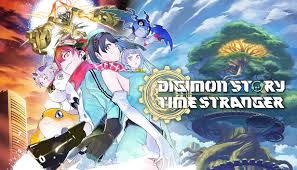

So Ryosuke Hara, producer of Digimon Story: Time Stranger, just dropped one of the most level-headed takes in the eternal “Digimon vs Pokémon” discourse — a conversation that has haunted every playground since the late ’90s.
In an interview with MCV/Develop, he basically said:
“Yeah, people compare them. Yeah, it’s natural. But also? They’re not the same beast at all.”
And honestly, he’s right.
“Comparisons are understandable and expected” — but also kinda missing the point
Hara doesn’t pretend the two franchises don’t overlap. Monster collecting? Check. Fans who play both? Big check. Childhood nostalgia wars? Absolutely.
But he also stresses that their core concepts diverge hard once you scratch beyond the surface.
Pokémon leans into slow-burn growth, adventure vibes, and a world built around creatures that coexist with humans.
Digimon is… chaos, hacking, digital gods, cyber mysteries, and existential coming-of-age arcs wrapped inside a monster battle system.
They’re cousins, not clones — and Time Stranger wants to make that loud and clear.
Time Stranger was built for newcomers, not just the Digi-faithful
Here’s the interesting part: instead of dumping lore on you about Royal Knights, Olympos XII, and entire timelines collapsing (as Digimon loves to do), the game starts off with a protagonist who… doesn’t know what Digimon even are.
This is a genius move.
Hara says that only focusing on “powerful Digimon fans already know” wouldn’t help newcomers, so instead the game plants mysteries early on — things that any RPG fan would chase, even if they’ve never seen Agumon in their life.
It’s less gatekeeping nostalgia, more “Hey, come in, we’ll explain the Digital World later, I promise.”
And yes, they make you wait before entering the Digital World
This is the part long-time fans will either love or side-eye:
Hara intentionally avoids throwing players into the Digital World right away.
Why?
To make you care about the real world first — so that when you do cross over into the digital unknown, it actually feels like a transition. A moment. A reveal.
It’s immersion > instant gratification, which is extremely on-brand for modern Digimon Story design.
So… is Time Stranger doing its job?
Critics think so — the game currently sits at 80 / 79 on Metacritic, and reactions have been mostly “Wait, this is actually good?” energy.
But more importantly?
It feels like Digimon finally has a title that invites new players to understand what makes the series different without relying on decades of lore dumps or nostalgic bias.
If Hara’s goal was to bridge the gap between the fandoms, Time Stranger might genuinely be the one to pull it off.
And if nothing else, it’s refreshing to see a producer embrace comparisons instead of pretending they don’t exist.
Because let’s be real — the world will never stop comparing Digimon and Pokémon.
But at least now, Digimon Story: Time Stranger gives people a better answer to “Okay, but what’s the difference?”