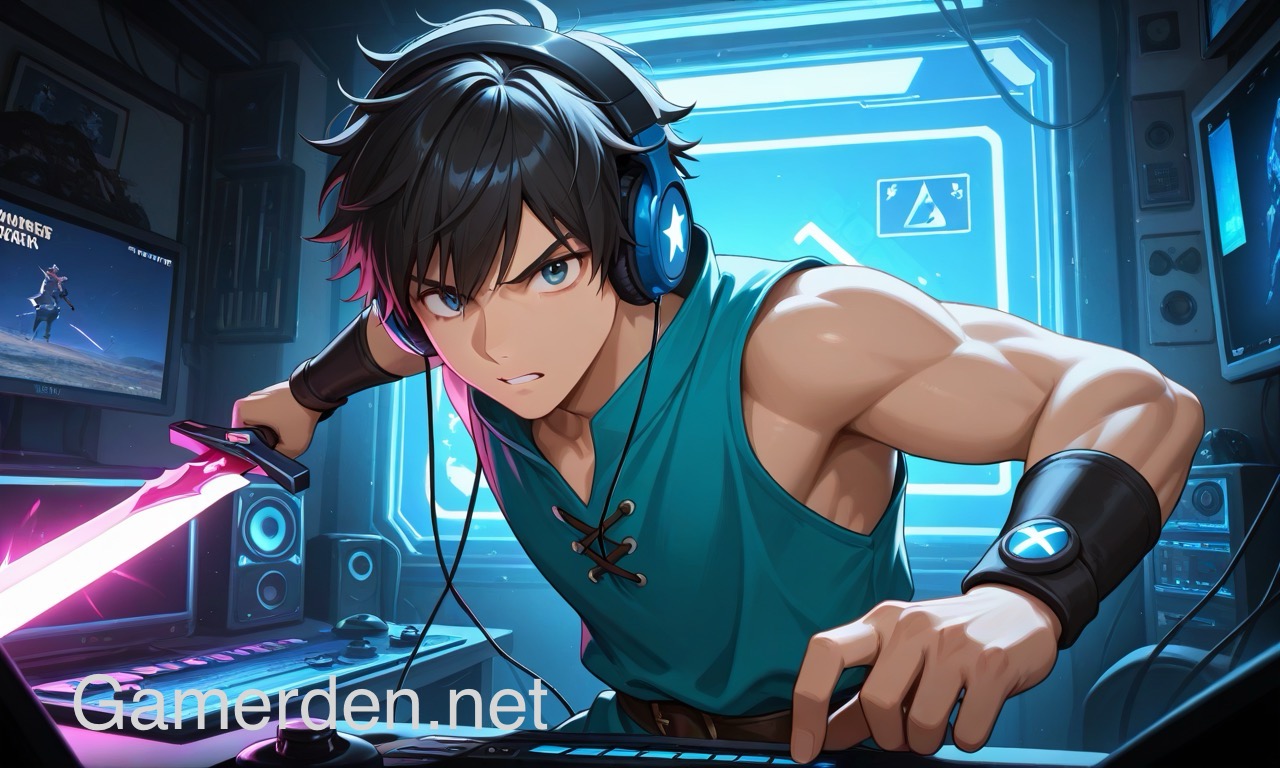

I’ve been gaming for most of my life. I’ve saved kingdoms, slayed demons, and romanced more fictional characters than I’d ever admit out loud. But lately, one question keeps sticking in my brain like a loading screen that never finishes:
Why are video game characters always so young?
I’m not talking about actual teenagers written with depth and realism. I mean the weird phenomenon where a character is canonically 15 but looks, talks, and behaves like a 28-year-old supermodel who somehow woke up at high school.
And no, making them “technically underage” does not make anything better. If anything, it makes the whole thing feel even worse.
When Teenagers Don’t Even Act Like Teenagers
There’s a difference between telling a coming-of-age story and slapping a teenage label onto an otherwise adult character.
If your character:
- has full adult proportions
- speaks like a jaded war veteran
- romances people in their 30s
- saves the world with zero parental supervision
…why are they 16?
It’s confusing at best, and at worst, it feels like a loophole designed to excuse sexualization that shouldn’t be happening in the first place.
If the story needs them to be young, okay — let them look and act young. Let them be awkward. Let them make bad choices. Let them grow.
But don’t appeal to teenage players and creeps at the same time. That’s not clever. That’s gross.
The Industry Still Worships Youth — Especially for Women
There’s a pattern here that’s older than most consoles.
We don’t have a problem with older male characters.
Geralt, Joel, Auron — silver-haired, tired men saving the world is practically a genre.
But where are the women?
- Wynne from Dragon Age
- Eileen the Crow from Bloodborne
- Lady Masako in Ghost of Tsushima
They stand out because they’re rare. And they’re almost never centered.
Most female characters get trapped in the same narrow window:
Sexy, but not old. Mature, but not aging. Confident, but not past 25.
The moment she gets close to 30?
Oops — better freeze her (hi Tekken), replace her with a daughter-clone, or pretend time stopped.
It sends a message, even if no one says it out loud:
Women are valuable when they are young.
Men are valuable when they survive long enough to suffer.
Yikes.
“But Teen Characters Sell!”
That’s the excuse we hear again and again.
Marketing teams love data that tells them:
- teenagers want to see teens
- adults want to relive their youth
- young = relatable + marketable + safe
But here’s the thing:
Adults don’t suddenly stop being interesting.
There is so much story material in your 20s and 30s:
- identity shifts
- independence
- messy relationships
- second chances
- the “what now?” phase
You can still have drama, growth, and heartbreak without pretending high school lasts forever.
College settings exist.
Workplaces exist.
Adventures don’t expire at 18.
Ask anyone who’s lived past it.
Games Can Do Better — And Some Already Are
It’s not all doom and cringe.
Some games prove that older characters work beautifully:
- Dragon Age Inquisition — companions in their 30s and 40s
- The Last of Us — a middle-aged lead and an unsexualized teen
- Ghost of Tsushima — a protagonist who doesn’t look like he escaped an idol group
- Elden Ring — women who look like adults and aren’t defined by motherhood
When it’s done right, it’s refreshing.
It feels real.
It treats characters — and players — with respect.
So What Do We Actually Want?
Nothing complicated.
Just this:
- If a character is a teen, treat them like one
- If you want sexual themes, use adults
- Let women age without punishment
- Stop pretending 25 is the end of the world
- Give us more stories beyond high school hallways
We don’t need every fantasy hero to be 16.
We don’t need every female character to look 22 forever.
And we definitely don’t need companies acting like aging is a lore-breaking event.
Final Thought
Games are growing up — and players are too.
The industry can keep chasing the same old youth fantasy, or it can evolve and tell stories that reflect the full range of human experience.
Because here’s the truth:
Characters don’t become less interesting when they age. They become more human.
And honestly? It’s about time our games caught up.